Aviator Game Explained: Gameplay, Psychology, Risks, and Player Behavior

This is an educational guide designed to help you understand the Aviator crash game, its gameplay, psychology, player behavior patterns, and risk awareness.

This article is for educational and informational purposes only and does not provide any betting advice. No profits are guaranteed.

Detailed instructions

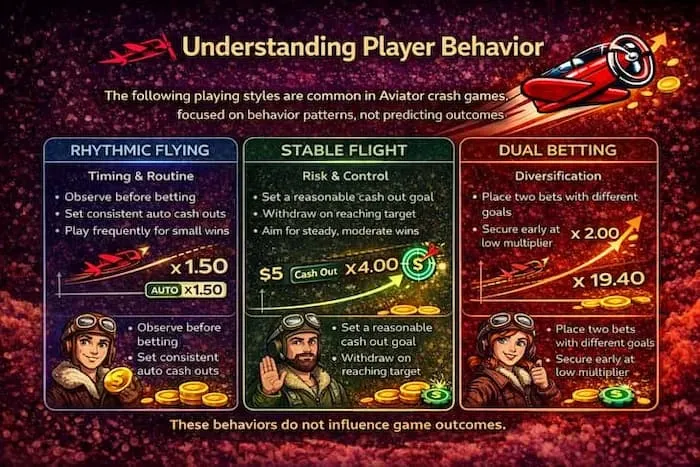
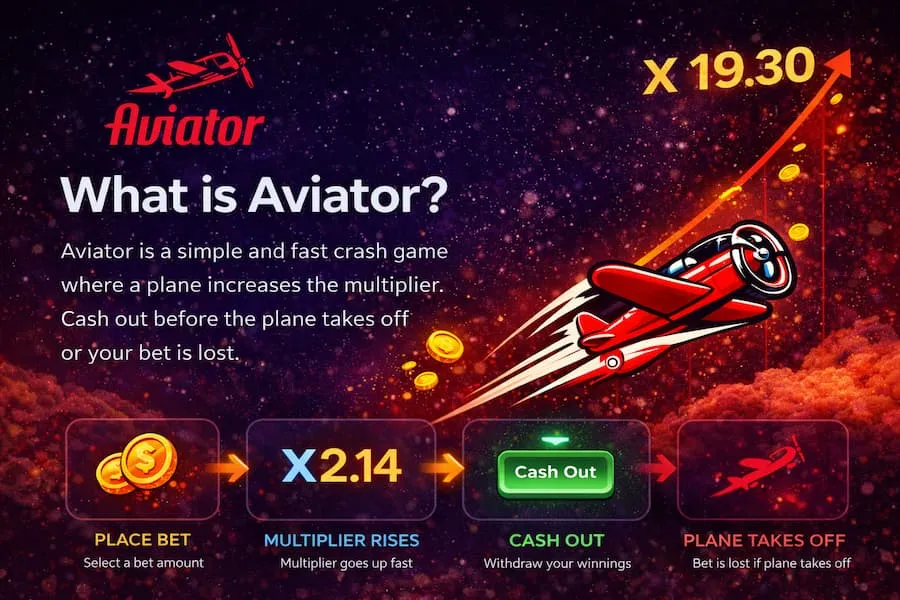
Understand the game mechanics and adjust your strategy accordingly.

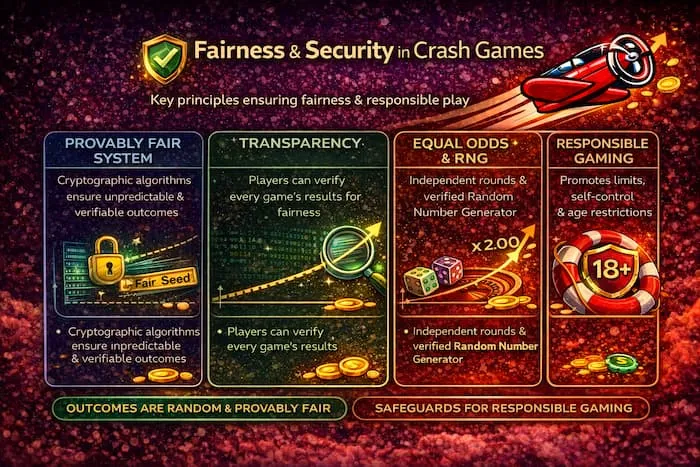
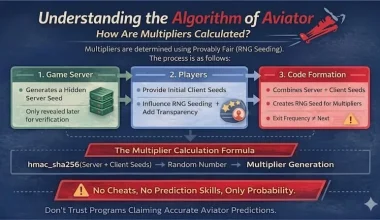
Understand fairness and security to avoid pitfalls and potential problems.

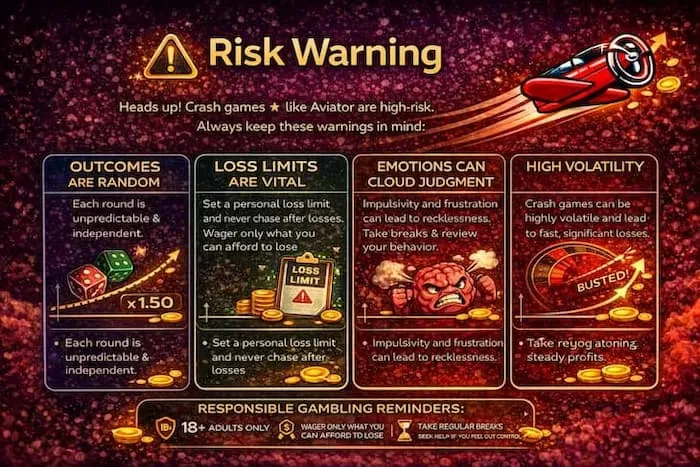
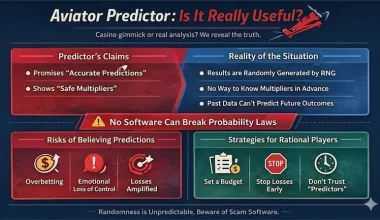
It is essential to understand the risks, heed the warnings, and prohibit anyone under 18 years of age from touching this.

How to handle problems when they arise?

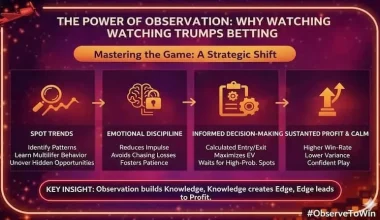
True maturity in an aviator‘s mindset isn’t about winning the most, but about minimizing loss of control.
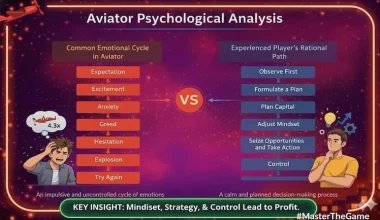
Remember: your real opponent isn’t the game, but your own emotions. Staying calm is more important than any skill; rationality is always the best strategy.

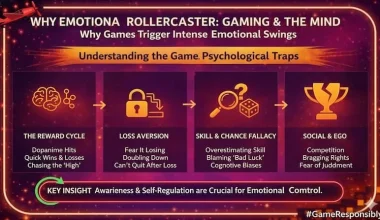
The reason Aviator can manipulate emotions is essentially due to a triple threat of “high-risk mechanisms + human weaknesses + social catalysts.” It transforms the game into a testing ground for emotions, but the real control never lies with the airplane itself, but rather with the player’s rationality and self-control.
Remember: playing Aviator is not about winning the most, but about control.

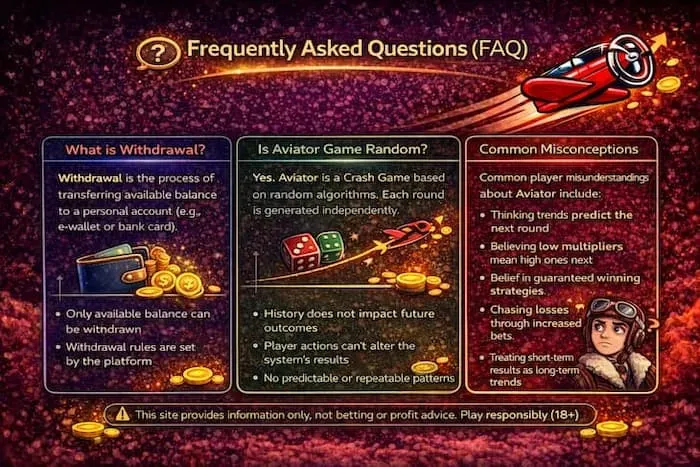
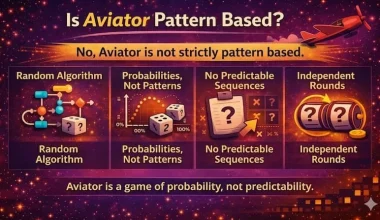
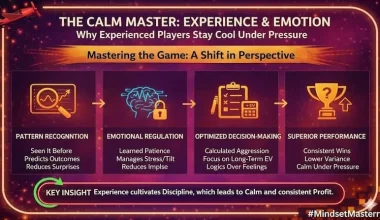
The composure of experienced Aviator players is not innate, but rather honed through countless mistakes and subsequent analysis: understanding the random nature of the game prevents them from being misled by illusions; establishing clear rules prevents them from being swayed by impulses.